In shortThe Road to Hana is worth it if rainforest, waterfalls and the Kipahulu district of Haleakala National Park are what you came to Maui for, and you can give the day up. It is not worth it on a single free day when the Haleakala summit matters more, or if anyone in the party struggles with 620 curves and 59 bridges, 46 of them one lane wide.
620 curvescounted on Route 360
46one-lane bridges of 59
2 to 4 hoursone way to Hana town
about 4 hoursKahului to Kipahulu
Is the Road to Hana worth it for you, and when to skip it
The day pays off for travellers who want rainforest, waterfalls and the far end of the road, and who are happy to spend most of their waking hours getting there and back. It does not pay off for anyone with a single free day and a strong pull toward the Haleakala summit, for a party with bad motion sickness, or for a traveller who has afternoon plans in Kihei or Lahaina. Two numbers decide it for most people: 52 miles from Kahului to Hana against a drive the tourism authority rates at two to four hours one way, and about four hours each way on the National Park Service's own estimate if you keep going to Kipahulu, 12 miles past the town.
There is no version of this route that is quick. The 64.4 miles of Routes 36 and 360 carry 620 curves and 59 bridges by the official count, with 46 of those bridges only one lane wide, so oncoming traffic takes turns. Add the stops you actually came for and the day fills itself.
Rain is part of the deal rather than bad luck. The gauge at Hana Airport averages 82.28 inches a year and no month comes in under 4 inches, which is why the waterfalls run and why a dry forecast is not something to wait for.
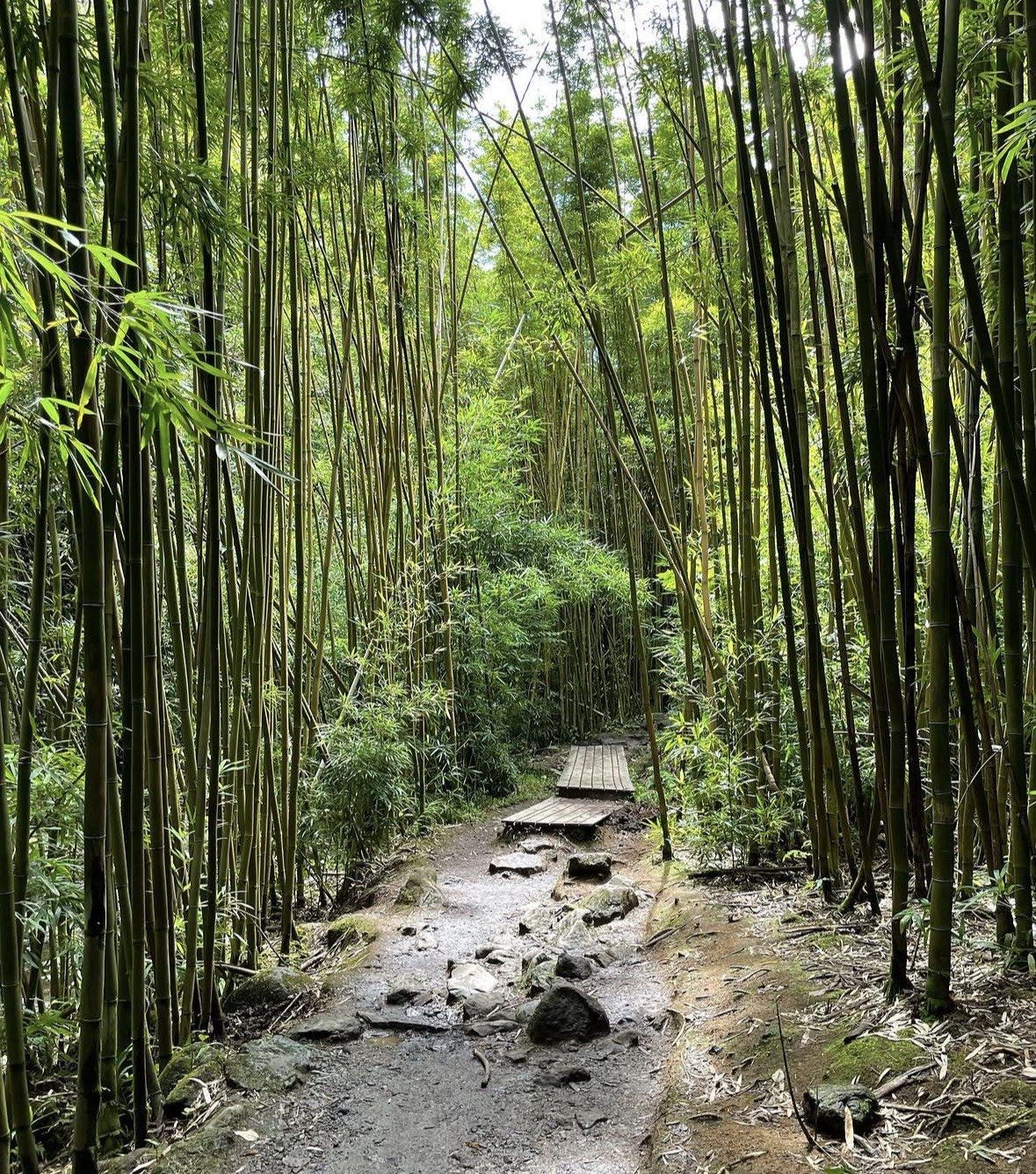
- Worth the day: you want the Pipiwai Trail, 4 miles round trip with 800 feet of climbing, ending at 400-foot Waimoku Falls
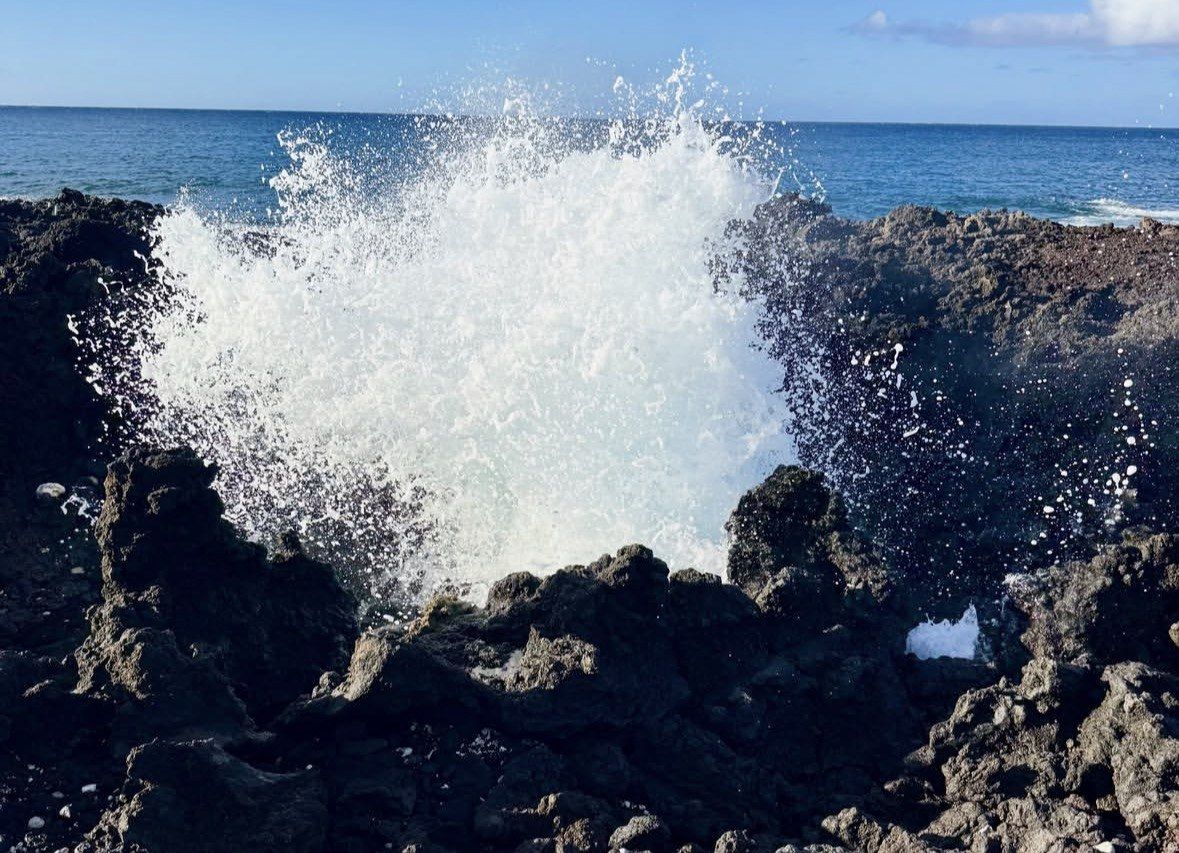
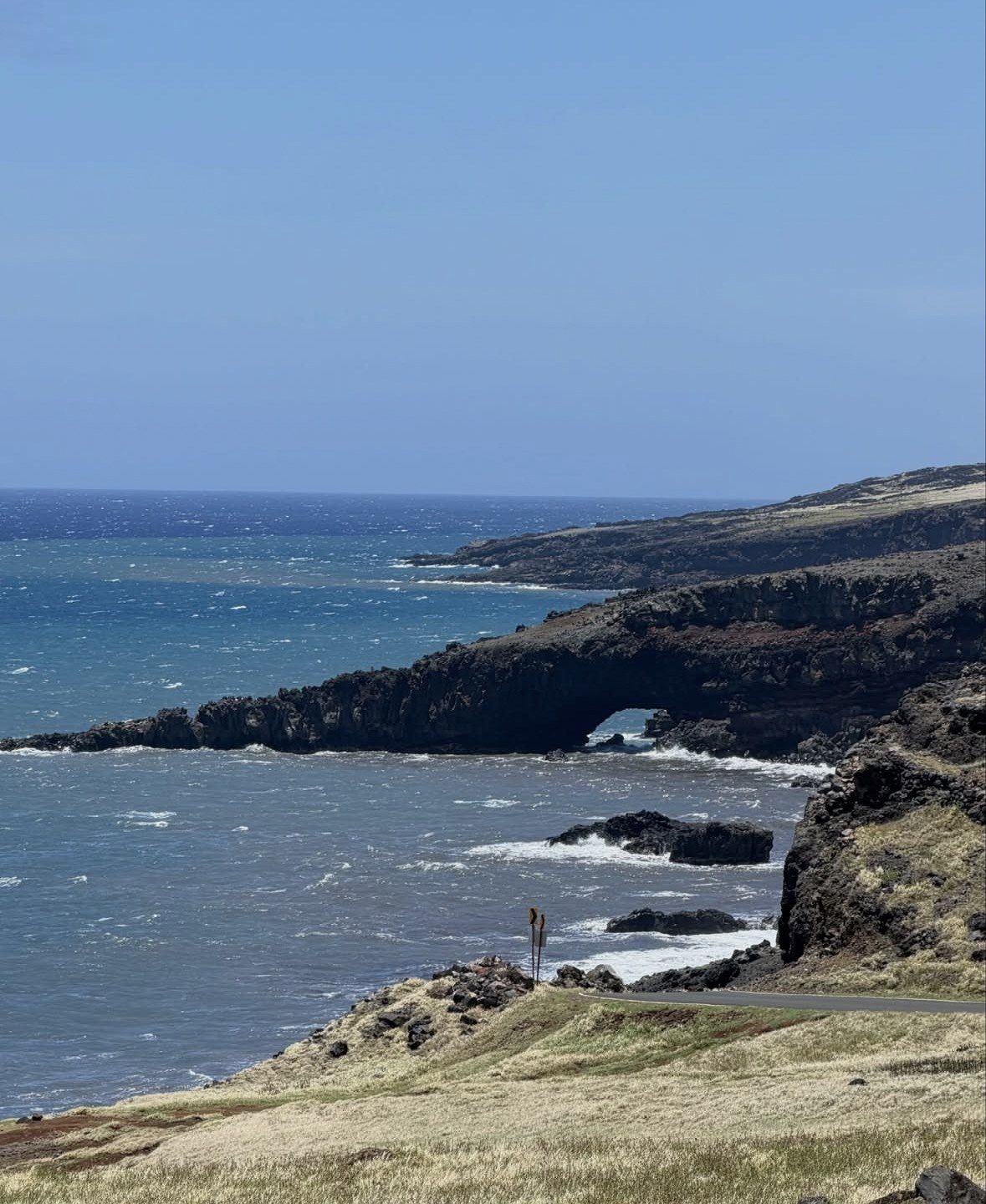
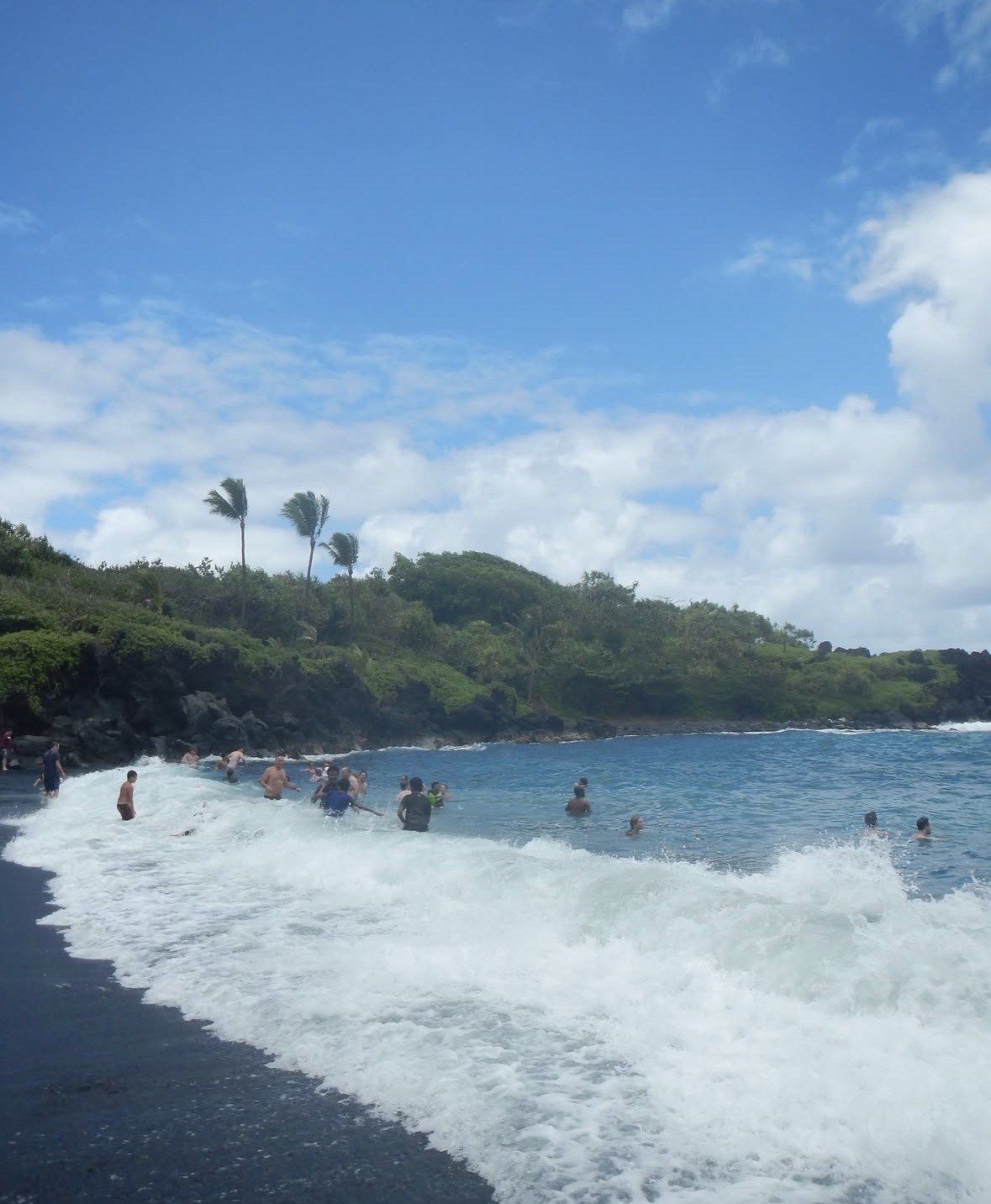
- Worth the day: you want the black sand beach, sea stacks, blow holes and natural stone arch at Waianapanapa State Park
- Worth the day: you would rather someone else handle the driving, the timed park slot and the parking rules
- Skip it: one free day on Maui and the Haleakala summit is the thing you most want to see
- Skip it: motion sickness, a toddler who hates car seats, or a party member who cannot sit for eight hours
- Skip it: you need to be back on the west side by mid-afternoon
What a full Hana day actually costs in hours
Count the outbound drive at two to four hours to Hana town, or about four hours if you carry on to Mile Marker 41 at Kipahulu, then count the same again coming home. Nothing about the return is faster: it is the same curves and the same single-lane bridges in reverse, on an unlit road, at the end of a day that started in the dark.
Roadwork is the normal state of this highway rather than an exception. Three zones are posted by the state transport department at the moment, every one of them alternating a single lane of traffic from 7 a.m. to 5 p.m. on weekdays: Waikamoi at mile markers 9.79 to 10, Keanae between 13.9 and 14.2 beside Honomanu Bay, and Wailua between 19.5 and 19.6. Shoulder closures for weed spraying rove separately between mile markers 3 to 6, 10 to 13, 13.5 to 16.2, 18 to 20 and 26 to 30, running from 12:30 a.m. to 11 a.m. Those hours sit exactly across the morning you want for the drive east.
Then there is the admin. Waianapanapa State Park opens 7:00 a.m. to 6:00 p.m., needs a reservation for both entry and parking, sells the day in four time slots released 30 days ahead one date at a time at midnight Hawaii Standard Time, sells nothing for the same day, and lets nobody through the entrance after 5:30 p.m. Haleakala National Park charges $30 per private vehicle, valid three days across the Kipahulu and Summit districts, and takes cards only with no cash accepted. The last gas on the way out is in Paia, and the national park sells neither fuel nor food.
Daylight closes the day for you. At the winter solstice the sun sets at Hana around 5:48 p.m., and the year's earliest sunset is about 5:42 p.m. in late November, which leaves very little slack if a work zone or a full car park has already taken an hour off you.
Is the Road to Hana scary if you do not like narrow roads?
It is narrow, wet and slow rather than frightening, and the parts that unsettle people are predictable. Of the 59 bridges, 46 are a single lane, so you arrive, read the oncoming traffic and take your turn; the courtesy of letting the car already on the bridge finish is what keeps the queue moving. Between bridges the 620 curves come close together, many of them blind, with the hillside on one side and a guardrail on the other.
Past Hana the road carries its own etiquette. On the single-lane sections toward Kipahulu the National Park Service tells drivers to obey the blow horn signs, sound the horn, listen for other drivers answering, proceed slowly, and switch headlights on in cloud or rain. Do all five, in that order, every time you reach one of those sections.
Parking is where nervous drivers get caught out. Designated stalls are the only legal place to leave a car under the official code of conduct, which warns that anything protruding onto the highway can be towed and sends visitors to State park and County rest facilities instead of roadside pull-offs; on Route 360 the places that qualify are Kaumahina State Wayside, Wailua Valley State Wayside, Puaa Kaa State Wayside and Waianapanapa State Park. Stopping where there is no stall is not an option on this road.
If any of that raises your pulse, the honest answer is to let someone else take the wheel. Hawaii's own tourism page encourages visitors to do the route as a permitted guided tour rather than drive it themselves, and on a road this slow the person at the wheel sees the least of it.
Choosing between the coast road and the Haleakala summit
On a single free day, pick one. The summit and the coast road pull in opposite directions: the summit sunrise needs its own ticket, with a $1 reservation required for each vehicle entering the park between 3:00 a.m. and 7:00 a.m., while the Hana day wants you heading east at first light with a hard turn-around time in mind.
Stacking them is the mistake people regret. A 3 a.m. start up the mountain followed by two to four hours each way to Hana, or about four hours each way if Kipahulu is on the list, puts a tired driver on 620 curves after dark. There is also no ticketing reason to bundle them: the $30 Haleakala vehicle pass is valid three days and covers both the Summit and Kipahulu districts, and a $55 Hawaii Tri-Park Annual Pass covers Haleakala along with Hawaii Volcanoes and Puuhonua o Honaunau for twelve months.
If you have two days, do the summit on the morning you can face a pre-dawn alarm and give the coast road a full separate day. If you have one, choose by what you want to look at: cinder, altitude and a sunrise above the clouds, or bamboo forest, taro fields and the 400-foot drop at the end of the Pipiwai Trail.
Who gets more from a half day than a full one
A half day is the right call for a port call in Kahului, for families with small children, for anyone who gets carsick, and for travellers who simply will not enjoy hour nine. The first stretch of Route 360 holds a lot of what people picture: Twin Falls at mile marker 2 with gates from 7:10 a.m., the Waikamoi forest above it, the Garden of Eden Arboretum at mile marker 10.5 open 8:00 a.m. to 4:00 p.m. across 26 acres, and Kaumahina State Wayside with legal parking, restrooms and a view down the northeast coast.
Be clear about what a half day gives up. It does not reach Waianapanapa's black sand beach, Kahanu Garden, Hana town or the national park at Mile Marker 41, and the Pipiwai Trail is off the table. What you buy instead is a morning on the bridges and waterfalls and an afternoon still left for the rest of Maui.
Half days also solve the hardest booking problem on this road without you touching it. The timed Waianapanapa slot only matters if you are going that far east, so a shorter trip removes the one reservation you cannot buy on the day.
Half the road, half the day
If the full ten hours is the part that puts you off, this 4 to 5 hour private trip from $279 starts at Island Fresh Cafe in Paia, right where the first cluster of mile markers begins, and has you back with an afternoon to spare.
★ 4.9/5 · 127 reviews
Skip it, half a day, or commit to a full day
Decide in that order. Skip the Road to Hana if your trip is short, your one clear day belongs to the summit, or someone in the party dreads long car journeys. Take a half day if you want the waterfalls and bridges without the far-end commitment. Commit to a full guided day if Kipahulu, the Pipiwai Trail and the black sand beach are the reason you came to this side of the island.
For the full version, a guided day is the practical form of it: the park fees, the timed park entry, the parking stalls and the four hours home are someone else's job, and the slowest middle miles pass without anyone in the car watching the clock. The three tours on this site cover the three shapes the day can take.
| Tour | Duration | Price from | Rating | Best for |
|---|
| Half Day Private VIP Road to Hana Tour | 4–5 hours | from $279 | 4.9 ★ (127 reviews) | Short days, cruise calls, small children, the vehicle to yourselves; starts at Island Fresh Cafe in Paia with reserved secure parking; meals not included |
|---|
| Maui: Small Group Road to Hana Tour, 6 to 8 passengers | 8–10 hours | from $282 | 4.6 ★ (1092 reviews) | The full route with the smallest passenger count, hotel pickup and drop-off, continental breakfast, a hot Hawaiian BBQ plate lunch, all fees and taxes |
|---|
| Maui: Road to Hana Luxury Limo-Van Tour with Helicopter Flight | 6 hours | from $599 | 4.9 ★ (841 reviews) | Repeat visitors who want the falls from the air: a 3.5-hour limo-van drive plus a 36-minute Eco-Star flight, Waianapanapa entry and lunch included |
|---|
Questions people ask
Is Waianapanapa State Park worth the timed reservation?
Yes for most visitors, because of how much sits inside one gate: a small black sand beach, sea stacks, blow holes, a natural stone arch, a native hala forest, a heiau, a seabird colony and the ancient Ke Ala Loa O Maui/Piilani coastal trail running toward Hana. The catch is the system around it. What you are weighing is the booking: one reservation covers entry and another covers parking, the four daily time slots go on sale 30 days out, one date at a time, at midnight Hawaii Standard Time, and the gate stops admitting at 5:30 p.m. A number of the tours on this site carry the admission for you, which takes that whole job off your list.
Is it worth driving past Hana town to Kipahulu?
It is, if the Pipiwai Trail is the point of your day and you can start walking early enough. Kipahulu sits 12 miles beyond Hana at Mile Marker 41, the National Park Service puts the drive from Kahului at about four hours, and the trail is 4 miles round trip with 800 feet of climbing, rated moderately strenuous. Arrive late and the trip still earns itself on Kuloa Point: 0.5 miles, 80 feet of climb, the coast, and the overlook above the Pools of Oheo, which are closed to entry. Weigh in the isolation as well, since the park sells no fuel and no food and the Park Service puts emergency medical help at least an hour away.
Is the Road to Hana worth it in the rain?
Rain is the normal condition on the windward side, so planning around a dry day rarely works: Hana averages 82.28 inches a year, with March the wettest month at 9.52 inches and June the driest at 4.08. Wet weather makes the waterfalls run and the road slower. What a wet day takes away is the swimming, since East Maui streams can rise 4 feet in 10 minutes and the official code of conduct tells visitors to stay out of them in heavy rain or flash-flood conditions.
How tiring is the drive home at the end of the day?
Harder than the drive out, because it is the same 620 curves and the same 46 single-lane bridges after a full day of walking, with no light on the road. Weekday roadwork between mile markers 9.79 and 19.6 runs until 5 p.m., so an afternoon return can still meet alternating single-lane traffic. This is the main argument for a guided day: whoever drives sees the least of the route and finishes the most worn out.
Is the helicopter version worth the extra money?
It suits repeat visitors and anyone who wants the waterfalls from above without a ten-hour road day. The 6 hour trip pairs a 3.5-hour limo-van drive with multiple stops and a 36-minute Eco-Star flight with live commentary, from $599, rated 4.9 ★ (841 reviews), with Waianapanapa State Park entry, swim breaks and a Pacific Rim lunch included. Check-in is at Blue Hawaiian Helicopters, 1 Lelepio Pl in Kahului, hotel pickup is not included, a $24 fee is payable at check-in and there are weight restrictions to read first.
Read also