In shortWear light layers that dry fast, keep a packable rain shell in reach, and put swimwear on under your clothes. Shoes should be closed with real grip. Rainfall at Hana Airport works out at 82.28 inches a year, with the driest month of the record, June, still at 4.08 inches, so showers are the normal state of the road.
82.28 inchesannual rain at Hana
4.08 inchesJune, the driest month
4 miles, 800 feetPipiwai Trail and climb
20–30%DEET advised by Hawaii DOH
Road to Hana what to wear, from the skin out
Start with swimwear underneath. Changing rooms are not part of this road, and the stops where you can get into water arrive without much warning, so wearing it from the hotel saves you wrestling with a towel beside a van.
Over the top, light layers in synthetic or merino, since cotton holds water for the rest of the day. Mean temperature at Hana Airport runs from about 71.0 °F in February to 76.9 °F in August, so you will rarely be cold; it is wet clothing that spoils the day. Keep a packable rain shell in the bag rather than the boot, because showers on the windward side come through in minutes and pass just as fast.
For mosquitoes, Hawaii's health department suggests covering up with long sleeves, long trousers, socks and shoes, and choosing light colours, since mosquitoes are drawn to dark ones. Light long sleeves also solve the sun question on the exposed stretches, which NOAA rates as a good option alongside shade between 10 a.m. and 2 p.m.
- Swimwear worn under your clothes from the start of the day
- A synthetic or merino top with quick-drying shorts or trousers
- A light long-sleeve sun shirt, in a pale colour
- A packable rain shell, carried in the day bag all day
- A thin fleece or wind layer for the drive home after dark
- Closed shoes with grip, plus flip-flops as a second pair for after swimming
- A dry change of clothes left behind in the vehicle
What to bring on Road to Hana: the day bag
One soft daypack is the right size. On the 6 to 8 passenger tour listed on this site, bags have to fit under the seat and large luggage is not carried, which is a useful limit to pack against even if you are travelling another way.
Water matters more than anything else in the bag. Drinking water is available at the Kipahulu Visitor Center, so bottles can be refilled at the far end, but Kaumahina State Wayside has none on site, and the gaps between places selling anything at all are long.
- Repellent in a bottle small enough to keep reapplying: Hawaii's health department points to an EPA-registered product at 20–30% DEET, with picaridin, oil of lemon eucalyptus and IR3535 as the alternatives
- Reef-safe sunscreen: NOAA rates mineral formulas as the better option and names oxybenzone, octinoxate and octocrylene among filters that can harm corals
- A quick-dry towel, and a dry bag for wet swimwear, phone and keys
- Refillable water bottles, with the Kipahulu Visitor Center as the refill point
- Snacks that survive heat and a rucksack
- A phone charged to full, with maps downloaded for offline use and music saved, since the signal on Route 360 is not something to plan around
- A power bank, because a day of photographs on a 10-hour trip empties a phone
- Cash or a card for farm stands, and a card for Haleakala National Park, which does not accept cash
Water, lunch and fees already handled
With 8 to 10 hours on the road, having all-day water, a hot plate lunch and all fees and taxes included means your day bag only has to carry a towel, a rain shell and sunscreen.
★ 4.6/5 · 1,092 reviews
Why the rain, the roots and the gaps between shops set the list
East Maui is windward, and the National Weather Service points out that this coast collects rain from winter fronts and from trade-wind showers alike, so the seasonal difference is much smaller here than on the leeward side. March is the wettest month in the record at 9.52 inches. June, the driest, still delivers 4.08 inches. The weather service describes Hawaii's humidity as moderate, which in practice means warm air that never quite finishes drying your shirt between showers.
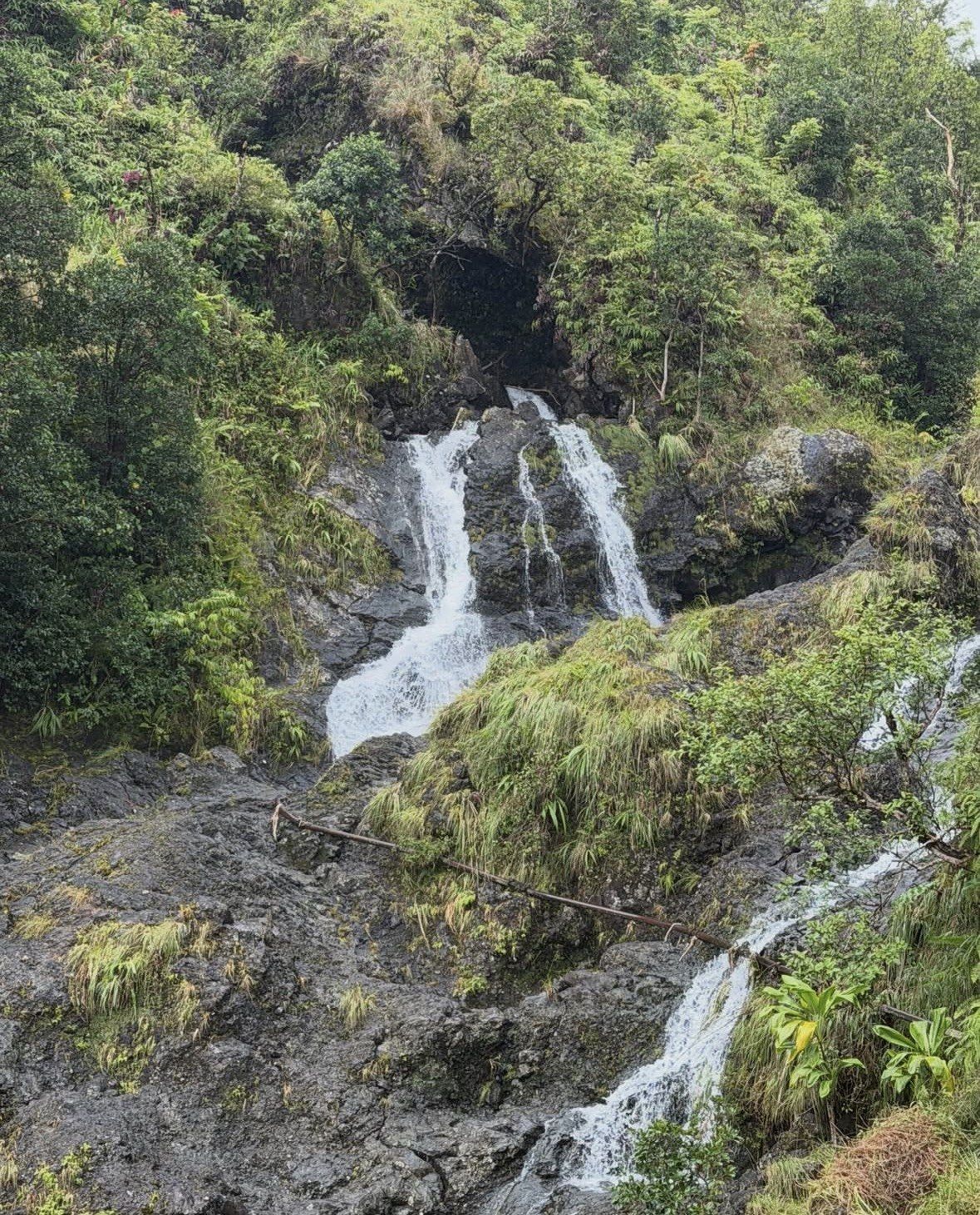
The ground stays wet because of it. Tree roots across the trails, basalt slabs beside pools and the boardwalk sections in the bamboo all hold water, and the park service warns that East Maui trails can be steep with loose cinders or rocks. It also lists rock falls in gulches and below waterfalls among the hazards, along with leptospirosis and E. coli in stream water.
Distance is the other half of the answer. On the official tourism count the 52 miles to Hana take two to four hours in one direction, and Kipahulu lies 12 miles further on, which the park service puts at roughly four hours' driving from Kahului. Between the farm stands you can go a long stretch with no shop, no tap and nowhere to buy a poncho, so pack the bag you leave with accordingly.
Footwear for the bamboo forest and Waimoku Falls
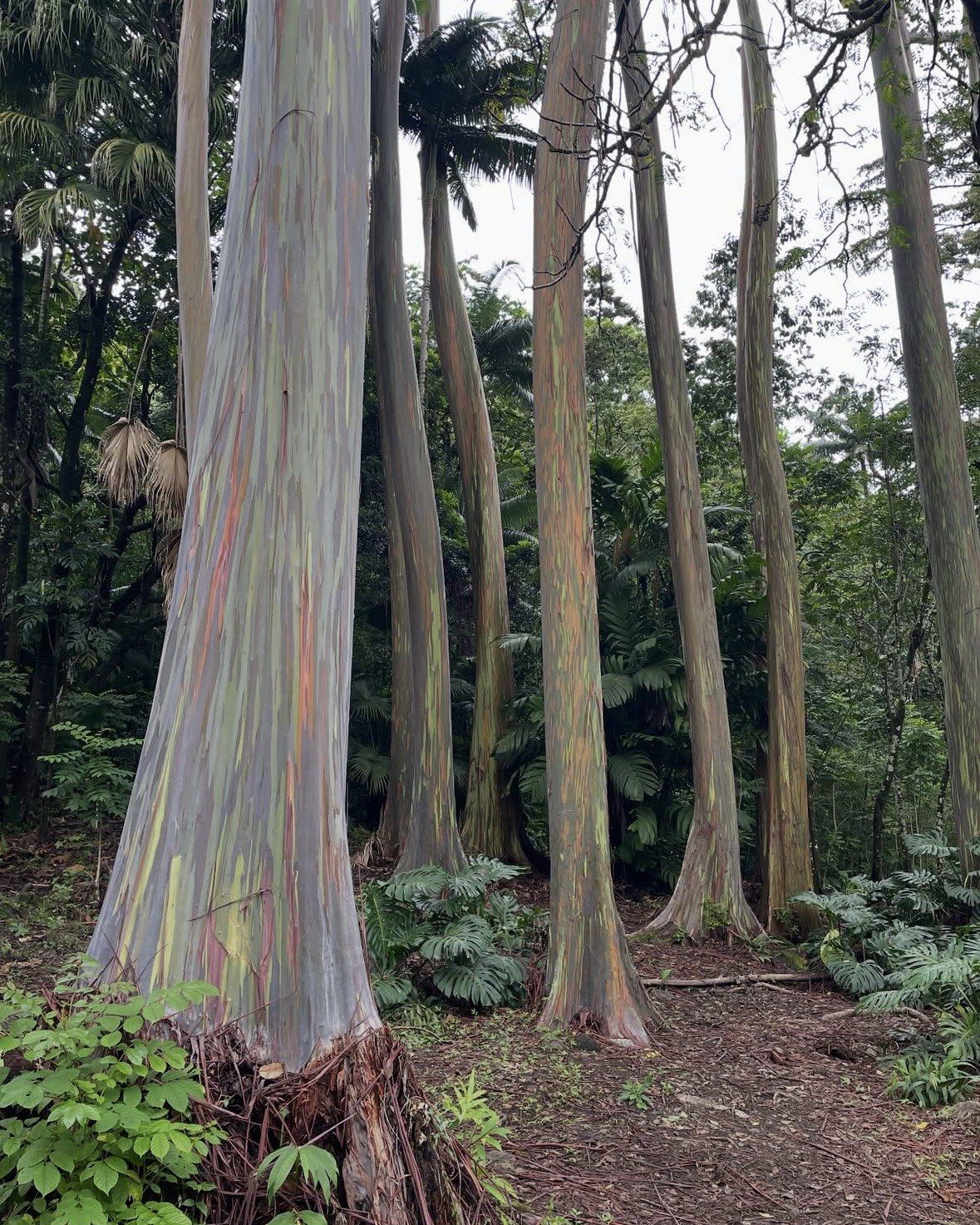
Sturdy hiking shoes are highly recommended by the National Park Service for trails in this part of Maui, and the Pipiwai Trail is where that advice earns its keep. Four miles there and back, 800 feet of climbing and dropping again, graded moderately strenuous: that is a long time to spend in shoes that slide. The Makahiku Falls overlook comes up about half a mile in, the bamboo forest with its boardwalks about a mile in, and the 400-foot Waimoku Falls at two miles one way.
Those boardwalks are slick when wet, the bamboo section drips long after a shower has passed, and the stretch before it is root and rock. Trainers with worn soles will have you walking the edges of the planks. If your shoes are the only pair you brought for the whole holiday, carry them in and change at the trailhead rather than soaking them at a swim stop earlier in the day.
Short legs and short schedules have an easier option at the same place. The Kuloa Point Trail is half a mile in total with 80 feet of climb, running from the visitor center out to the coast and the overlook above the Pools of Oheo, which cannot be entered.
| Trail | Distance | Climb | On your feet |
|---|
| Pipiwai Trail, Kipahulu | 4 miles round trip | 800 feet | Closed hiking shoes with grip; boardwalks and roots stay wet |
|---|
| Kuloa Point Trail, Kipahulu | 0.5 miles total | 80 feet | Trainers are enough on the short loop from the visitor center |
|---|
| Waianapanapa coastal trail (Ke Ala Loa O Maui / Piilani) | Not published by State Parks | Not published | Closed shoes: lava rock, sea stacks and hala forest, described as hardy family hiking |
|---|
The far end of the road sells no food and no fuel
The Kipahulu District of Haleakala National Park has no petrol station inside it, no EV charging, and nothing to eat for sale. The park service names Paia as the last station on the Hana Highway before Hana town, which is about four miles into the drive from Kahului. Anything you want at Mile Marker 41 travels with you from the morning.
Treat that as a reason to over-pack food and water rather than clothes. The park service also notes that emergency medical assistance out there is at least an hour away, which is the practical argument for closed shoes, a charged phone and a rain layer instead of trusting the forecast.
Pack for a wet day, and let the tour handle the rest
Assume rain and pack for it, and the day stops being a gamble. Hawaii's official tourism page encourages visitors to do this road as a permitted guided tour rather than drive it, and on a wet morning that reasoning is hard to argue with: 620 curves and 59 bridges, 46 of them one lane wide, read very differently through a windscreen you are responsible for.
Taking the 6 to 8 passenger day, 8 to 10 hours door to door, empties most of the bag before you pack it. The operator collects you at your hotel and brings you back, breakfast is continental, lunch is a hot Hawaiian BBQ plate made to order, and Maui potato chips, water and tropical fruit drinks keep coming through the day with all fees and taxes already settled. What is left to carry is a towel, a shell and a pair of shoes.
Short days have their own answer. The 4 to 5 hour private trip starts at Island Fresh Cafe in Paia with reserved secure parking and brings snacks, drinks and boogie boards, though meals are not included, so bring lunch if you want one.
Questions people ask
Do I need proper hiking boots, or will trainers do?
For the short walks at the state waysides and the black sand beach, trainers are fine. Pipiwai is the one that needs real shoes: 4 miles there and back, 800 feet of climb, moderately strenuous on the park service grading, and that same agency highly recommends sturdy hiking shoes because trails here can be steep with loose cinders or rocks. Full ankle boots are not necessary, but grip and a closed toe are.
Can I spend the day in flip-flops?
Bring them, but as a second pair. They work for the beach at Waianapanapa and for the drive, and they let your walking shoes dry out after a swim stop. On wet boardwalks, roots and basalt they slide, and the trails from the Kipahulu visitor center toward the pools and the bamboo are described by the park service as muddy, steep and rocky.
Is a rain jacket really needed in summer?
Yes. The National Weather Service treats May through October as Hawaii's summer season, but it also notes that windward areas like East Maui pick up rain from trade-wind showers as well as winter storms, so the seasonal gap is small. June is the driest month in the Hana record and still averages 4.08 inches. Temperatures sit between about 71.0 °F and 76.9 °F, so a light shell is enough.
What should I wear if I plan to swim?
Swimwear under your clothes, with a dry bag for it afterwards. Look at the water before you change out of them: a rise of 4 feet in 10 minutes has been measured in East Maui streams by the park service, and the official code of conduct asks visitors to keep out of streams when rain is heavy or flash flooding is possible. Oheo's pools are closed to entry altogether, and the Kuloa Point Trail is the place you see them from.
How much luggage can I take on a tour?
Pack as if the answer is one daypack. The 6 to 8 passenger small-group tour listed here states that no luggage or large bags are carried and that all bags must fit under the seat. It also notes that wheelchairs, motorised scooters, walkers and crutches cannot be accommodated, which is worth checking against your plans before you book.
Read also